
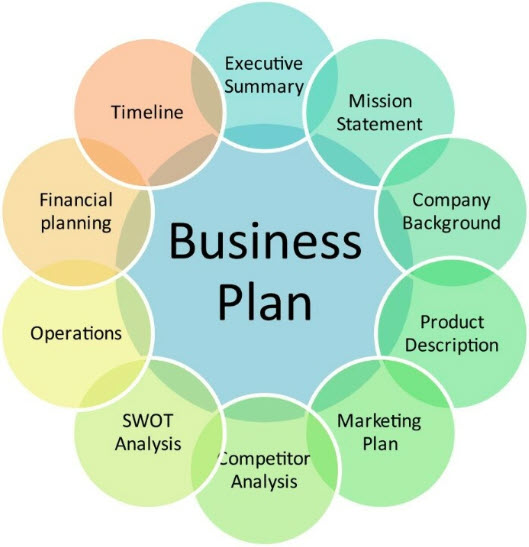
Basic Business Plan – Service Template
Here’s a concise, fill-in-the-blanks business plan template for a basic service business. You can paste this into a doc and complete each bracketed section.
Executive Summary
- Business name: [Name]
- Service offered: [Core service]
- Target market: [Who you serve]
- Value proposition: [Why customers choose you]
- Business model: [How you make money — pricing approach]
- Goals (12 months): [Revenue, customers, key milestones]
- Funding needs (if any): [Amount, use of funds]
Company Overview
- Mission: [Short mission statement]
- Vision: [3–5 year aspiration]
- Legal structure: [LLC/S-Corp/Sole prop]
- Location and service area: [City/remote/onsite radius]
- Founder background: [Relevant experience/certifications]
Market Analysis
- Ideal customer profile: [Demographics, firmographics, pain points]
- Problem you solve: [Top 2–3 pains]
- Market size and local demand: [TAM/SAM/SOM estimate or local counts]
- Competitors: [Top 3 competitors]
- Differentiation: [Speed, quality, convenience, niche expertise, guarantees]
Services and Pricing
- Core services:
- [Service A] — [Brief description] — Price: [$ or range]
- [Service B] — [Brief description] — Price: [$ or range]
- Packages or bundles: [Starter/Standard/Premium with inclusions]
- Add-ons and upsells: [List with prices]
- Promotions/discounts: [New customer, seasonal, referrals]
- Policies: [SLA, cancellation, deposits, warranties]
Operations Plan
- Workflow: Inquiry → Quote → Booking → Service delivery → Follow-up → Invoice → Review request
- Tools/Systems: [Scheduling, CRM, invoicing, payments, messaging]
- Suppliers/Partners: [If applicable]
- Quality standards: [Checklists, training, QA process]
- Capacity: [Jobs/day or week, average duration]
- Compliance: [Licenses, insurance, safety requirements]
Marketing and Sales
- Positioning statement: “[Brand] helps [customer] achieve [benefit] by [how].”
- Channels:
- Local SEO/Google Business Profile: [Setup status]
- Website/landing page: [URL, lead capture]
- Social media: [Primary platforms, cadence]
- Ads: [Local search/social — budget per month]
- Partnerships/referrals: [Real estate agents, property managers, local orgs]
- Reviews/word-of-mouth: [System to request and showcase reviews]
- Sales process: [Lead response time, script, objection handling]
- Targets: [Leads/month, conversion rate, average ticket]
Team and Staffing
- Roles: [Owner-operator, techs, admin, marketing]
- Hiring plan: [When and how many]
- Training: [Onboarding, SOPs, safety]
- Compensation: [Hourly, commission, bonuses, benefits]
- Culture/values: [3–5 short bullets]
Financial Plan
- Startup costs: [Equipment, vehicle, tools, licenses, marketing, working capital]
- Ongoing expenses: [Rent, software, fuel, supplies, labor, insurance, taxes]
- Pricing model and unit economics:
- Average job price: [$]
- Direct costs per job: [$]
- Gross margin: [%]
- Break-even volume: [Jobs/month]
- Forecast (Year 1):
- Revenue: [$]
- COGS: [$]
- Gross profit: [$]
- Operating expenses: [$]
- Net profit: [$]
- Cash flow: [Seasonality, float, deposits]
- Funding: [Source, terms, runway]
Milestones and KPIs
- 30–60–90 day milestones: [Launch site, first 10 reviews, first partnership, etc.]
- KPIs: Leads, conversion rate, avg ticket, jobs/week, on-time rate, customer satisfaction, repeat rate, review count, gross margin, net margin.
Risk Management
- Key risks: [Demand fluctuation, labor shortages, equipment failure, liability]
- Mitigations: [Diversify channels, cross-train, maintenance schedule, insurance, contracts]
Appendices
- Licenses/permits
- Insurance certificates
- Sample contract and invoice
- SOP checklists
- Marketing assets (logo, brand guide)
If you share your specific service, city/market, and pricing rough ranges, I can fill this in with example numbers and a one-page financial model.
Basic Business Plan – Products Template
Here’s a concise, fill-in-ready basic business plan outline for a service product. You can paste this into a doc and complete each section.
1. Executive Summary
- Business name and Products service offering
- Target customer and core problem you solve
- Unique value proposition (one sentence)
- Business model (how you make money)
- Go-to-market highlight (primary channel)
- 12–18 month goals (revenue, customers, milestones)
2. Problem and Solution
- Customer problem: 2–3 specific pain points
- Your solution: what the service delivers and outcomes promised
- Proof of value: key results, pilot outcomes, or testimonials (if any)
3. Market
- Ideal customer profile: sector, size, role/buyer, geography
- Market size: TAM / SAM / SOM (estimates or logic)
- Trends and timing: why now (regulatory, tech, economic, behavior)
4. Service Offering
- Packages/tiers: name, scope, deliverables, turnaround/SLA
- Pricing: list price, discounts, contracts (monthly/annual), add-ons
- Differentiators: 3–5 features or qualities competitors lack
- Service delivery model: remote/on-site, tooling, partners
5. Go-To-Market
- Positioning: category, who you’re for, why you’re different
- Messaging pillars: 3 short benefit-led messages
- Channels: outbound, inbound/SEO, partnerships, marketplaces, events
- Funnel plan: lead gen → discovery → proposal → close → onboarding
- KPIs: leads/month, SQL rate, win rate, CAC, payback
6. Operations
- Delivery process: step-by-step workflow from kickoff to completion
- Capacity model: staff per engagement, utilization targets
- Quality assurance: reviews, checklists, SLAs, CSAT/NPS
- Tooling stack: CRM, PM, communication, billing
7. Team
- Founders and roles
- Key hires next 12 months
- Advisors/contractors (if any)
8. Financials
- Revenue model: pricing x volume assumptions
- 24-month forecast: revenue, COGS, gross margin, OpEx, EBITDA
- Unit economics: contribution margin per package, break-even volume
- Cash plan: runway, funding needed (if any), use of funds
9. Risks and Mitigations
- Top 3–5 risks (market, delivery, legal, churn)
- Mitigations and early warning indicators
10. Milestones and Timeline
- Quarter-by-quarter targets (productization, first 10 customers, partnerships)
- Metrics gates to unlock hiring or new spend
Example starter assumptions to customize:
- Target: SMBs with 10–200 employees in [industry]
- Core service: [e.g., monthly compliance audit + remediation plan]
- Entry package: $2,000/mo; Pro: $5,000/mo; Enterprise: custom
- Delivery time: kickoff in 1 week; monthly cadence; SLA 2 business days
- Channel focus: founder-led outbound + LinkedIn + referral incentives
- KPIs: 30 MQLs/mo, 25% SQL rate, 30% win rate, CAC <$2,000, payback <3 months
If you share your industry, target customer, and pricing thoughts, I can fill this in with concrete language and a simple 24‑month forecast.